


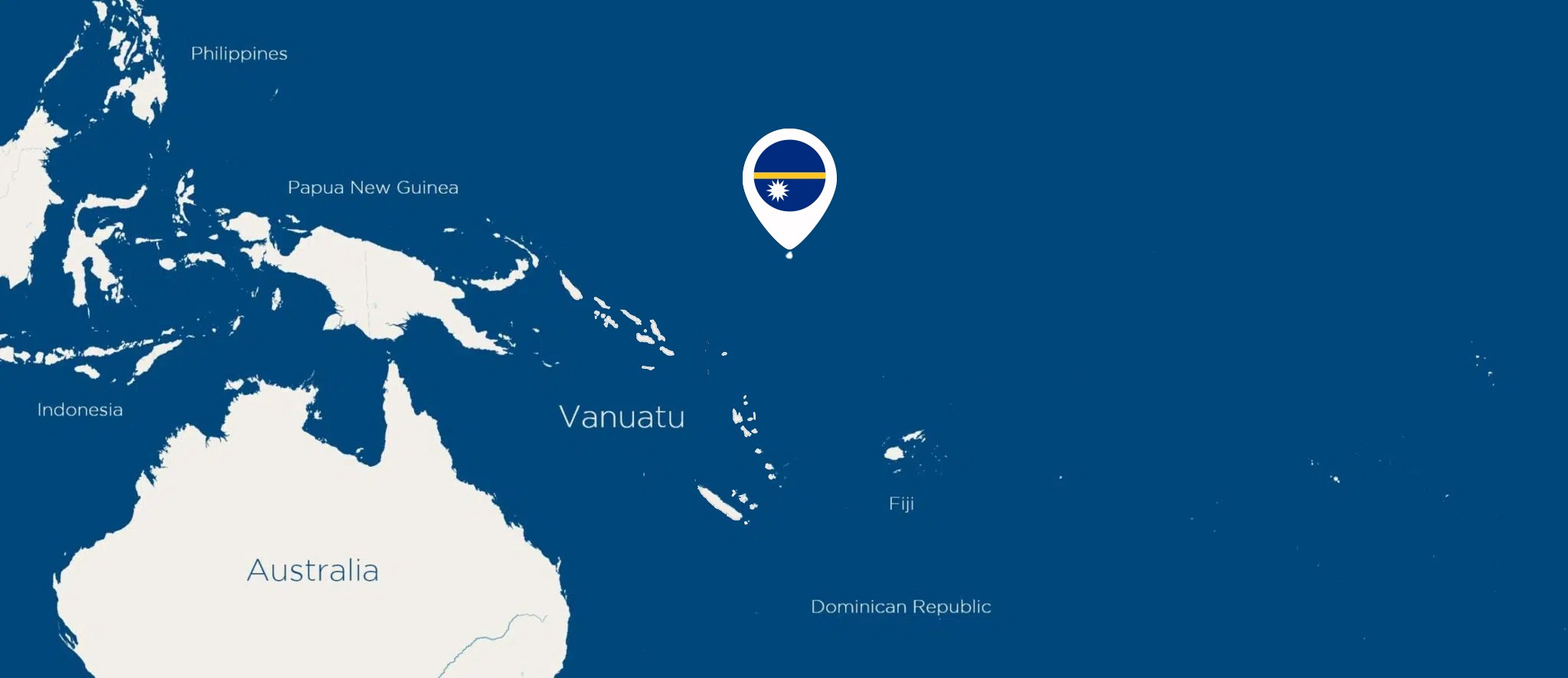
Nauru Citizenship Eligibility
In today’s interconnected world, citizenship in a different country can offer numerous advantages, including access to new opportunities, enhanced quality of life, and stronger global mobility. Amongst the many nations, Nauru provides unique pathways for individuals seeking to obtain citizenship. This article delves into the Nauru Citizenship Eligibility Nauru Citizenship eligibility, delineating the requirements, processes, and benefits involved.
Understanding Nauru’s Citizenship Laws
Nauru, one of the smallest and least populated countries in the world, offers citizenship through various means. Predominantly, citizenship can be acquired via descent, birth, and naturalization. The country’s laws are primarily derived from the Constitution and relevant statutes, which set forth the eligibility criteria and process for obtaining citizenship.

Citizenship by Birth
A person born in Nauru to at least one Nauruan parent is entitled to citizenship by birth. This provision ensures that citizenship is passed down through familial ties, highlighting Nauru’s commitment to preserving its cultural and national identity. It’s important to note that even if a child is born outside Nauru, they can still claim citizenship if their parent is a citizen.
Citizenship by Descent
Citizenship by descent is available to individuals who can prove that their parent or grandparent was a Nauruan citizen and that they have not voluntarily renounced their citizenship. This option is particularly significant for Nauruan expatriates and their descendants who wish to reconnect with their heritage.
Citizenship through Naturalization
For individuals who do not meet the criteria for citizenship by birth or descent, naturalization is the primary pathway. However, gaining citizenship through this route involves a series of requirements and processes that must be followed meticulously.
Eligibility Criteria for Naturalization
To be eligible for naturalization in Nauru, applicants must meet several conditions:
- Residence: The applicant must have resided in Nauru for a continuous period of at least five years, demonstrating stable and long-term integration into Nauruan society.
- Character: Applicants must possess good character, often requiring background checks and references to ensure no criminal record or misconduct.
- Language Proficiency: Knowledge of English and Nauruan languages is essential, as it facilitates communication and integration into the community.
- Economic Stability: Providing evidence of financial stability helps demonstrate that the applicant can support themselves and contribute to the economy.
- Oath of Allegiance: A formal commitment to uphold the laws and values of Nauru is required, which includes taking an oath of allegiance upon approval of citizenship.
The Application Process
The application process for naturalization can be intricate and requires careful adherence to the guidelines set by the Nauruan government. Below is an overview of the typical steps involved:
- Preparation of Documents: Gather necessary documents, including proof of residence, character reference letters, financial statements, and language proficiency certifications.
- Submission of Application: Submit the completed application form along with all supporting documents to the relevant government authority responsible for immigration and citizenship.
- Interviews: Attend an interview where officials will assess the applicant’s intent, knowledge of Nauru, and ability to integrate into society.
- Decision Notification: Applicants will receive a formal decision regarding their application, including any reasons for denial if applicable.
- Oath Ceremony: Successful applicants are invited to participate in an oath ceremony, which is the final step in becoming a citizen of Nauru.
Benefits of Nauruan Citizenship
Acquiring citizenship in Nauru comes with a multitude of benefits:
- Voting Rights: As a citizen, individuals gain the right to vote in local and national elections, influencing the democratic process in Nauru.
- Access to Services: Citizens enjoy access to government services, education, healthcare, and social benefits.
- Travel Flexibility: Nauruan citizens benefit from visa-free or visa-on-arrival access to numerous countries worldwide, making international travel more accessible.
- Community and Societal Ties: Citizenship fosters a sense of belonging and community engagement, allowing individuals to participate fully in Nauruan society.
Challenges and Considerations
While the pathways to citizenship in Nauru are clear, prospective applicants should also consider several challenges:
- Length of Process: The naturalization process can be lengthy, requiring patience and adherence to governmental timelines.
- Changing Regulations: Citizenship laws may evolve, and staying informed about changes to regulations is crucial for applicants.
- Cultural Adaptation: Transitioning to life in Nauru involves adapting to a unique culture and environment, which may pose challenges for newcomers.
Conclusion
Nauru offers unique opportunities for those seeking citizenship through various pathways, emphasizing importance on descent, birth, and naturalization. While the processes may appear complex, understanding the eligibility criteria and requirements is essential for successful applications. The benefits of becoming a citizen of Nauru are numerous, paving the way for new cultural experiences, community integration, and enhanced global mobility. Understanding the nuances of Nauru Citizenship eligibility is essential for individuals looking to embark on this journey towards citizenship.